


What’s Better, Hot or Cold for an Injury? “If your injury is older than six weeks, using ‘hot and cold’ can help restart the healing process,” says Dr. James Doran, a well-known Denver chiropractor. However, each injury is different, so continue reading to find the best treatment for your injury. (Note: If you have diabetes or circulatory problems like Raynaud’s disease, check with a doctor before beginning any treatment.)
What’s Better, Hot or Cold for an Injury? It Depends!
Sprains are injuries to a ligament or tendon. The best treatment for these injuries is rest, ice, compression, and elevation (RICE). Begin by wrapping the injured area with a bandage and elevate it above heart level. Use ice for 20 minutes and take the rest of the hour off. Keep this schedule for the first 1 to 2 days after your injury. Be sure to place a towel under the ice to avoid irritating the skin. Attempting to move the ankle after icing can help to restore function more quickly.
The best way to move the joint after an injury is “non-weight bearing.” For example, if you’ve injured your ankle, try rotating, flexing, and extending the ankle while elevated on the couch or a chair. Even small amounts of motion can help reduce healing time and prevent scar tissue and chronic injuries from developing.
Pulled Muscle: Ice, Then Heat
Is your hamstring or glute feeling tight after a hard workout? As a rule, you should use ice to treat new (acute) injuries as soon as possible to stop inflammation. If a muscle takes weeks to heal or flares, use a warm compress, especially before exercising. You mustn’t just jump into your workout. Stretching and moving the muscles before exercising increases blood flow, warming them and ensuring they have adequate oxygen. These simple steps increase flexibility and help to prevent more injury.
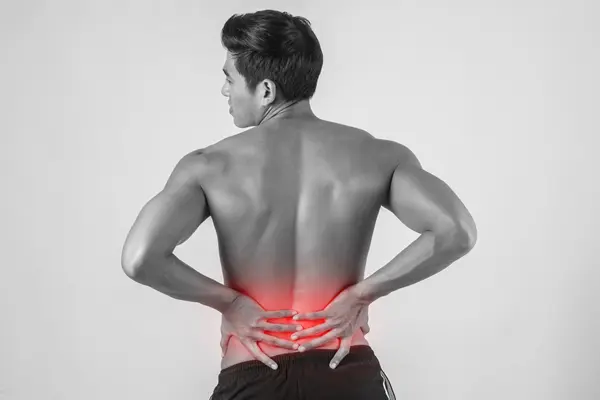
Lower Back Pain: Heat, Then Ice
Straining the lower back can occur with shoveling, slips, and falls, or even sitting in one position for too long. While it may be tempting to use heat on the irritated area, ice truly is best. If your back pain is a new injury that hasn’t bothered you, reach for the ice pack.
If you have chronic or frequent back pain, you may have some underlying arthritis or joint degeneration. If this is the case, “applying heat and then cold is probably best,” says Dr. Doran. A small amount of walking helps create motion in the injured joints and gives the muscles in the back something to do other than spasm and splint the area of injury.
Headache: Heat, Then Ice
Hot and cold therapy is often best, whether the headache is at the base of the skull or the forehead. Begin with the heat on the neck and base of the head, followed by cold. The heat will relieve muscle tightness or guarding, while the ice helps reduce inflammation. Much like treatment for back pain, begin with heat and follow with ice. Follow this schedule several times. Laying face up, with a rolled-up towel under your neck, will relieve muscle tightness and take pressure off inflamed joints.
Stiff Neck: Ice
The insidious (unknown) onset of neck pain is often the result of a joint injury. The cause of the damage can be as simple as staying in one position for too long (sleeping “funny”), a poorly set up workstation, or whiplash injury. Ice typically works best for these types of injuries. Again, laying face up with a rolled-up towel under your neck will relieve tight muscles and inflamed joints.
What About “Hot-Cold” Creams Like Biofreeze or Icy Hot?
Sports creams (or “topicals”) claim they can be hot or cold. Many topical creams contain menthol or camphor, which create a superficial cooling effect that can distract you from pain. The warming sensation usually comes from capsaicin, which adds “heat” to chili peppers. The warming sensation creates a competing stimulus for the nerves.
However, these creams won’t change your skin’s temperature. Remember, even if these creams make your injury feel better, they don’t “heal” the damage. That still requires getting treatment from a doctor specializing in muscle and joint injuries. Chiropractors are especially suited to treat these injuries which often affect athletes and people involved in auto accidents.
CBD Products
Cannabidiol (CBD) is a type of cannabinoid, the active chemical found in marijuana and hemp (cannabis) plants. CBD doesn’t cause the “high” feeling linked to cannabis and THC, the psychoactive component of marijuana.
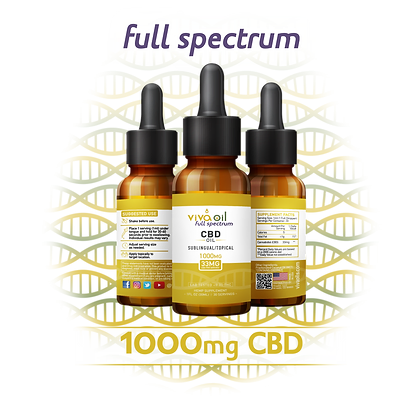 People with chronic pain often use topical CBD products to manage their symptoms. CBD oil may reduce the following:
- Joint and muscle pain
- Joint inflammation
- General discomfort from various health conditions
Research on CBD and pain management is promising. CBD also offers an alternative to opioids for people who have chronic pain. Opioids are habit-forming and can cause serious side effects. While more research is needed, the pain-relieving benefits of CBD oil and other CBD products are growing. If you want to try exceptional CBD products and save money, use the discount code “drd” at Viva Oils CBD Company and save 10% on your order.
Our office is conveniently located for patients in Arvada, Denver, and Wheat Ridge, Colorado! Still not sure? Please check out some of our 5-Star reviews to see why we are the chiropractor Denver seeks for fast, effective, and lasting pain relief. Looking for a Denver Chiropractor? Ready to start feeling better? Contact our affordable Chiropractic office to Request an Appointment online!

Ready for an expert opinion? Get in touch today!
With a legacy of more than 25 years, our team specializes in helping individuals triumph over back pain, neck discomfort, and persistent headaches, all without relying on addictive medications or risky surgical procedures.